
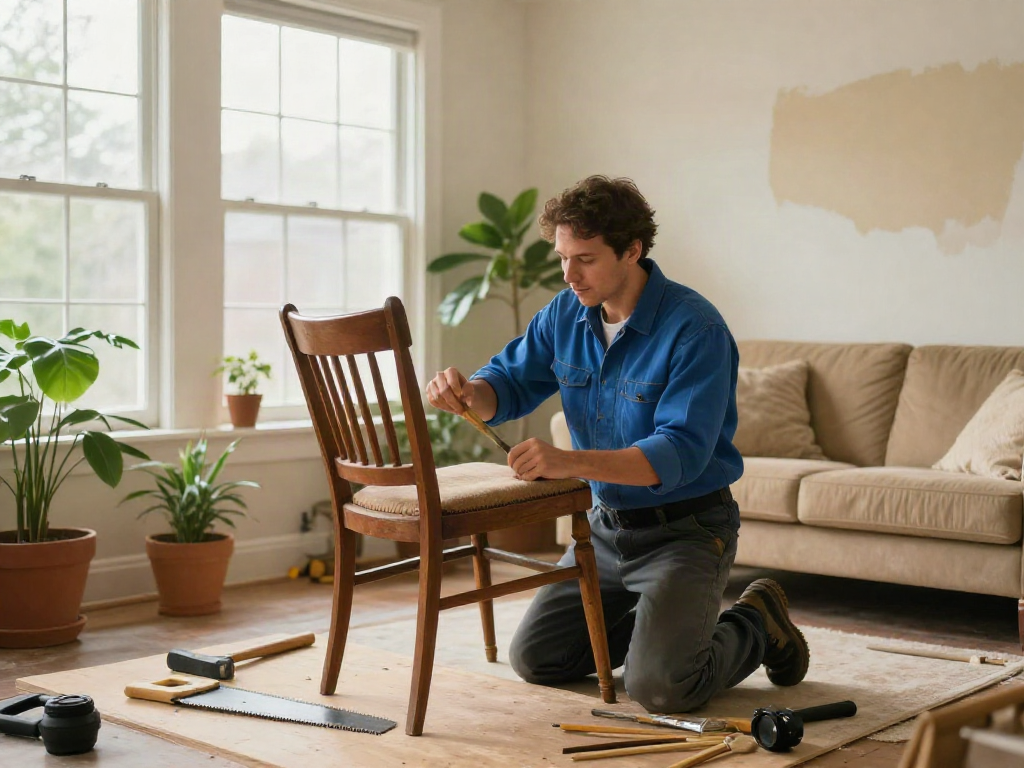
Understanding Home Repair Services in Des Moines Iowa
In Des Moines, Iowa, home repair services are essential for maintaining the integrity, functionality, and aesthetics of residential properties. Homeowners often face a range of issues, from minor repairs to significant renovations. These challenges underscore the necessity for reliable and professional help. Whether you're dealing with a leaky roof, plumbing issues, or needing fresh paint, knowing what to expect from home repair services Des Moines Iowa can save you time, effort, and money.
What Are Home Repair Services?
Home repair services encompass a variety of tasks that aim to improve or restore different aspects of a home. These can include plumbing repairs, electrical work, drywall installation, roofing, and more. Many homeowners seek these services to ensure that their homes remain safe and comfortable living spaces. Professionals in the field possess the skills and tools necessary to handle complex repairs that the average homeowner might not be equipped to manage.
The Importance of Professional Help
Attempting home repairs on your own can sometimes lead to more significant problems or safety issues. Professional home repair services bring expertise and experience to the table, ensuring that the job is done correctly and efficiently. Additionally, hiring professionals can provide peace of mind, knowing that repairs are covered by warranties and insurance, which is not typically the case with DIY solutions.
Common Types of Home Repair Services
Understanding the types of home repair services available can help you identify what you need when issues arise. Here are some common services offered:
- Plumbing Repairs: Fixing leaks, installing fixtures, and clearing clogs.
- Electrical Services: Repairing circuits, installing lighting fixtures, and upgrading service panels.
- Roofing and Siding: Replacing shingles, repairing leaks, and siding installation.
- Interior Repairs: Drywall patching, painting, and flooring installation.
- Outdoor Repairs: Deck construction, fence installation, and landscaping.
Choosing the Right Home Repair Service
Finding the right home repair service can be daunting, especially with the many options available. To make an informed decision, consider several factors that can influence the quality and reliability of the services you choose.
Factors to Consider When Hiring
When hiring a home repair service, evaluate the following factors:
- Experience: Look for companies that have a proven track record in the industry.
- Licensing and Insurance: Ensure that the company is licensed and carries adequate insurance for liability and workers’ compensation.
- Specialization: Some services specialize in specific repairs; choose one that aligns with your needs.
- Customer Service: Assess how responsive and informative the service providers are during initial inquiries.
Reading Reviews and Testimonials
Online reviews and testimonials can provide insight into the quality of a home repair service. Platforms like Yelp, Google Reviews, and social media can offer real customer perspectives, highlighting both strengths and weaknesses. Look for trends in feedback regarding reliability, professionalism, and quality of work.
Getting Multiple Quotes
Obtaining estimates from several providers is a wise step. Not only does this give you a clearer idea of the market rate, but it also allows you to assess the scope of services each company is willing to offer. Remember that the cheapest option may not always be the best; consider the value of the services provided.
DIY vs. Professional Home Repair
As a homeowner, you may find yourself debating whether to tackle repairs yourself or hire a professional. Understanding the benefits and limitations of both approaches can lead to better decision-making.
Benefits of DIY Projects
Do-it-yourself projects can be rewarding and cost-effective. Here are some advantages:
- Cost Savings: Performing repairs yourself can save on labor costs.
- Learning Experience: DIY projects can enhance your skills and knowledge about home maintenance.
- Flexibility: You can work on your own schedule without waiting for a contractor.
When to Call in the Experts
While many projects are suitable for DIY, some situations necessitate expert assistance. Call in professionals when:
- The repair requires specialized tools or permits.
- Issues are beyond your skill level.
- Safety is a concern, such as with electrical work.
Common DIY Mistakes to Avoid
Even seasoned DIYers can make mistakes. Common pitfalls include:
- Underestimating the scope of the project.
- Ignoring safety protocols.
- Using the wrong tools or materials.
Cost of Home Repair Services in Des Moines Iowa
Understanding the costs associated with home repair services is essential for budgeting effectively. Prices can vary based on the type of repair, materials used, and labor required.
Understanding Pricing Structures
Home repair services typically charge based on an hourly rate, fixed prices for specific tasks, or a combination of both. Knowing the pricing structure can help you gauge the true cost of repairs and avoid unpleasant surprises.
Budgeting for Home Repairs
It's wise to set aside a home repair budget to cover unexpected issues. Consider an emergency fund that covers at least 1-3% of your home’s value to manage repairs effectively as they arise.
Hidden Costs to Watch Out For
While you may receive a quote from a contractor, hidden costs can arise. Be wary of:
- Permits and inspections required for certain repairs.
- Unexpected damage found during repairs that may increase costs.
- Changes in material prices that can affect the final bill.
Future Trends in Home Repair Services
The home repair industry is evolving, influenced by technological advancements and changing consumer preferences. Staying informed about these trends can help you make better choices for your home.
Emerging Technologies in Home Repair
Technologies such as augmented reality (AR) and virtual reality (VR) are starting to intersect with home repair services, allowing homeowners to visualize projects before they start. Drones are also being used for roof inspections, providing detailed aerial views that help professionals diagnose issues more accurately.
Eco-Friendly Repair Options
With growing awareness of sustainability, eco-friendly repair options are becoming more prevalent. Homeowners are increasingly opting for materials that are both durable and environmentally friendly, ensuring that repairs align with sustainable living principles.
Predictions for Home Repairs in 2026
Looking towards 2026, the home repair landscape is anticipated to include more smart home integration, where home systems are interconnected and streamline maintenance processes. Homeowners will likely seek out services that not only address immediate needs but also enhance overall energy efficiency.
What to Ask Your Home Repair Service?
Before hiring a home repair service, it’s crucial to ask several key questions:
- What is included in your estimate?
- How long will the project take to complete?
- Can you provide references or previous project examples?
How to Maintain Your Home After Repairs?
After completing repairs, it's essential to maintain your home properly. Regular inspections, cleaning gutters, and checking seals around windows and doors can help prolong the life of your repairs.
What Are the Most Common Home Repairs?
The most common home repairs include:
- Repairing leaks in plumbing or roofs.
- Painting and drywall repairs.
- Electrical issues, such as faulty wiring or outlets.
Can You Trust Online Reviews?
Online reviews can be a double-edged sword when researching home repair services. While they provide valuable insight, be aware of the potential for fake reviews. Look for detailed, balanced feedback and consider the overall rating rather than individual comments.
What Credentials Should You Look For?
When hiring a professional, checking credentials is crucial. Look for licenses, certifications, and insurance that demonstrate a commitment to quality and safety in home repair services.
How to Ensure Quality Workmanship?
To ensure that you receive quality workmanship, consider reviewing portfolios, requesting guarantees on work, and maintaining open communication with your contractor throughout the project. This involvement can help catch potential issues early on.