
Understanding the Essence of Vietnamese Culture
Vietnam is a country rich in history, vibrant culture, and stunning landscapes, making it a fascinating destination for travelers. Understanding the essence of Vietnamese culture is key to fully appreciating what this beautiful country has to offer. From the intricate dance of traditional values to the modern influences shaping today's society, exploring this cultural tapestry reveals the heart of Vietnam. For those eager to learn more, https://joeyvisavietnam.com/ provides valuable insights into the cultural nuances and experiences awaiting you.
Exploring Traditional Values and Modern Influences
At the core of Vietnamese culture are traditional values deeply rooted in Confucianism, Buddhism, and ancestor worship. These influences manifest in various aspects of daily life, reinforcing respect for family, community, and education. The concept of 'familial piety' guides social interactions and defines family structures, where elders are revered, and decisions often revolve around collective well-being rather than individual desires.
However, as Vietnam has embarked on an economic transformation since the Doi Moi reforms in the late 1980s, modern influences are becoming increasingly prominent. Urbanization, globalization, and a burgeoning tech industry are reshaping social dynamics, creating an environment where contemporary culture thrives alongside traditional practices. This unique blend invites travelers to explore a society in transition, where the old and new coexist harmoniously.
Key Festivals and Cultural Events
Vietnam's cultural richness is most vividly displayed during its numerous festivals. The Tet Nguyen Dan, or Lunar New Year, is the most significant celebration, marking the arrival of spring and the lunar new year. Families come together to honor ancestors, feast on traditional dishes, and engage in festive activities that symbolize renewal and hope.
Other notable events include the Mid-Autumn Festival, which celebrates the harvest and emphasizes family unity, and various regional festivals that showcase local heritage, such as the Perfume Pagoda Festival and Hoi An Lantern Festival. Each event offers a unique glimpse into the communal spirit and diverse cultural practices across Vietnam's different regions.
Understanding Local Cuisine and Its Significance
Vietnamese cuisine is a flavorful reflection of the country's cultural diversity. Characterized by its balance of five fundamental flavors: sweet, sour, salty, bitter, and spicy, Vietnamese food is not just about sustenance but is also a key element of social interaction and cultural identity. Dishes like Pho, Banh Mi, and Goi Cuon serve as culinary ambassadors, bringing together regional ingredients and cooking techniques that date back centuries.
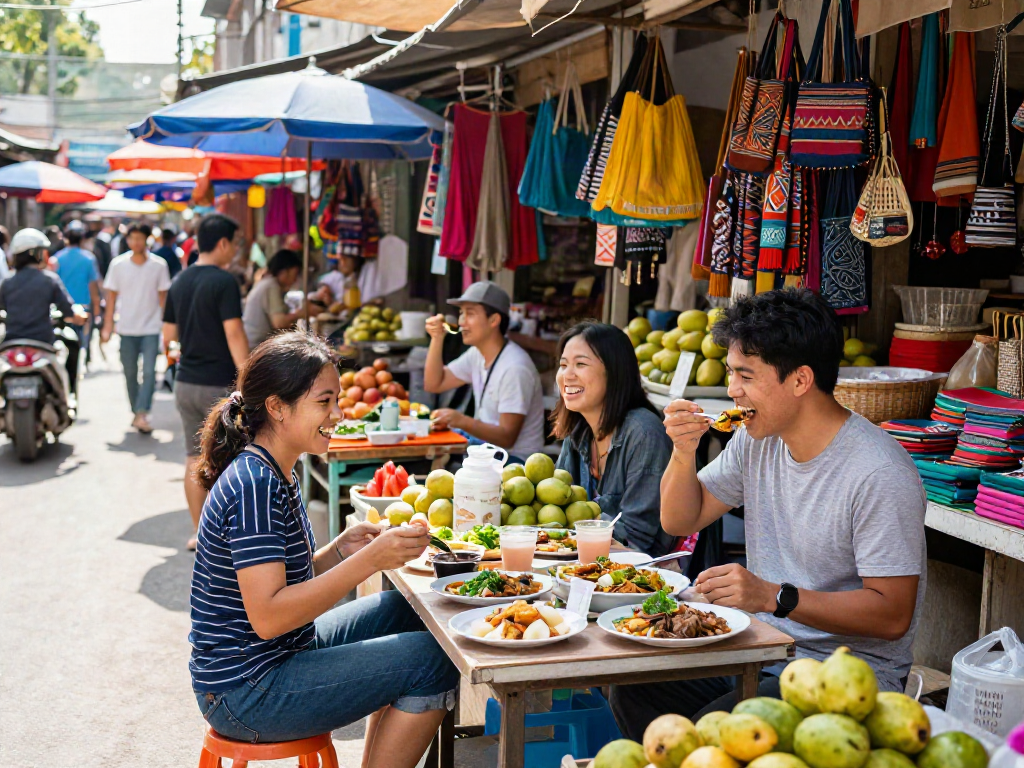
Food in Vietnam is often a communal experience, with families and friends gathering around a shared table. Additionally, culinary traditions are closely tied to festivals and special occasions, reinforcing the notion that food is a vital part of cultural expression in Vietnam.
Essential Tips for Traveling in Vietnam
Traveling to Vietnam can be an exhilarating experience filled with breathtaking landscapes and unique cultural encounters. To ensure a fulfilling journey, consider the following essential tips that can help you navigate the intricacies of this vibrant country.
Planning Your Itinerary for 2026
When planning your visit, it’s important to know the best regions to explore based on your interests. Vietnam offers a wide array of experiences from the bustling streets of Ho Chi Minh City to the serene landscapes of Ha Long Bay. Allocate time to delve into both the urban and rural settings, as each provides a different perspective of the country’s rich heritage.
Consider creating a flexible itinerary that allows for spontaneous adventures, such as trying local street food or joining in on a traditional Vietnamese cooking class. With the tourism industry continuously evolving, staying updated on the latest travel trends and destinations is crucial, especially for those planning trips in 2026.
Budgeting for an Unforgettable Experience
Vietnam is renowned for being a budget-friendly destination, making it accessible for all types of travelers. It’s advisable to create a balanced budget that accounts for accommodation, food, transportation, and activities. Dining at local eateries and using public transportation can significantly reduce expenses, leaving room for unique experiences like guided tours or cultural performances.
For a comprehensive overview of budgeting and expenses, utilizing online resources and travel forums can help you gauge realistic costs associated with various activities, ensuring you maximize your experience without overspending.
Transportation Options: What to Know
Getting around Vietnam can be an adventure in itself. The country offers various transportation options to suit different preferences and budgets. Major cities are well-connected through an extensive bus and train network, while domestic flights are ideal for covering longer distances quickly.
For those seeking to immerse themselves in local culture, consider renting a motorbike or hiring a scooter. This allows for a more intimate experience of the surroundings but ensure to familiarize yourself with local traffic regulations and road conditions.
Must-Visit Destinations and Experiences
No trip to Vietnam is complete without exploring its stunning landscapes and historical landmarks. Here are some must-visit destinations that capture the essence of this enchanting country.
Exploring Natural Wonders and Historical Sites
Vietnam is home to a plethora of natural wonders, including the limestone karsts of Ha Long Bay and the terraced rice fields of Sapa. Additionally, historical sites such as the ancient town of Hoi An and the remnants of the Cu Chi Tunnels offer profound insights into the country’s history and cultural evolution.
Many travelers find solace in the quiet beauty of Phong Nha-Ke Bang National Park, famous for its impressive caves and lush landscapes, perfect for both adventure seekers and nature lovers alike.
Top Cities to Discover Internationally
Ho Chi Minh City and Hanoi stand out as vibrant hubs where history meets modernity. Ho Chi Minh City, known for its lively atmosphere, offers bustling markets, chic cafes, and significant historical landmarks like the War Remnants Museum. Meanwhile, Hanoi presents a more traditional perspective with its well-preserved architecture and quaint streets, inviting visitors to explore its rich cultural offerings.
Unique Activities for Adventurous Travelers
For those in pursuit of unique experiences, Vietnam does not disappoint. Activities such as trekking in the mountainous regions, participating in a traditional Vietnamese martial arts class, or embarking on a motorbike tour through the countryside provide exhilarating ways to connect with the local culture.
Additionally, consider engaging with local artisans in workshops focused on crafts like pottery or silk making. These hands-on experiences not only support the local economy but also deepen your understanding of Vietnamese heritage.
Navigating Social Norms and Etiquette
Understanding social norms and etiquette is crucial for a respectful and enjoyable experience in Vietnam. The following guidelines will help you navigate cultural interactions seamlessly.
Cultural Dos and Don'ts
Vietnamese culture places great emphasis on respect and courtesy. It is common to greet with a slight bow or nod, and addressing someone with their title or familial terms (like "Mr." or "Mrs.") is a sign of respect. When eating, always wait for the eldest person to begin before starting your meal, and refrain from pointing your feet or touching someone’s head, as these gestures may be considered disrespectful.
Communicating Effectively with Locals
Language barriers can be a challenge; however, most young Vietnamese people speak basic English. Learning a few simple phrases in Vietnamese, such as "Xin chao" (Hello) or "Cam on" (Thank you), can go a long way. Be patient and show appreciation when locals make an effort to communicate with you.
Understanding Common Customs and Practices
Traditions such as gifting are significant in Vietnamese culture. If invited to someone's home, bringing a small gift, like fruits or sweets, is customary. Additionally, when visiting temples or pagodas, dress modestly and remove your shoes before entering sacred spaces, as a sign of respect.
Future Trends in Vietnamese Tourism and Travel
The tourism landscape in Vietnam is poised for exciting changes in the coming years. As global travel trends evolve, here are some key areas to watch in 2026.
Emerging Destinations for 2026
While established tourist spots remain popular, lesser-known destinations are beginning to attract attention. Regions like the Mekong Delta and the coastal towns of Quy Nhon are on the rise, offering travelers unique experiences away from the crowds. As tourism develops, investment in infrastructure and sustainability practices is critical to maintaining the integrity of these emerging areas.
How Technology is Transforming Travel
Technology plays a pivotal role in shaping travel experiences today. From mobile apps for navigation and translation to digital platforms that facilitate booking and planning, tech advancements enhance overall convenience for travelers. Expect to see more innovative solutions tailored specifically to meet the needs of international tourists visiting Vietnam in 2026.
Sustainable Practices in Vietnamese Tourism
With an increasing awareness of environmental impacts, sustainable tourism practices are gaining traction in Vietnam. Initiatives focused on eco-friendly accommodations, sustainable local cuisine, and responsible travel are becoming the norm. Travelers are encouraged to engage with these practices to minimize their footprint and support local communities.
What Should I Know Before Traveling to Vietnam?
Being informed about local laws, customs, and health advisories is essential for any traveler. Ensure you have the appropriate visa for your stay and keep informed about any travel advisories issued for the region. Vaccinations may also be recommended depending on your travel itinerary and the areas you plan to visit.
How Do I Find Authentic Vietnamese Cuisine?
For a true taste of Vietnam, venture beyond tourist hotspots. Seek out local eateries, street vendors, and family-run restaurants where the menus revolve around seasonal ingredients. Participating in food tours or cooking classes can also lead to discovering hidden culinary gems that showcase authentic Vietnamese flavors.
What are the Best Times to Visit Vietnam?
Vietnam experiences varied climates, with the best travel times typically falling between November and April, avoiding the intense summer heat and rain. Each region has its peak seasons, so plan accordingly to experience the best of what each area has to offer, whether it’s stunning beaches or vibrant city life.
How Can I Communicate Effectively in Vietnam?
To enhance your travel experience, familiarize yourself with common phrases and expressions in Vietnamese. Utilizing translation apps can also bridge communication gaps. Engaging locals with genuine interest and respect often yields positive interactions, creating memorable moments during your travels.
What are the Transportation Options in Vietnam?
Understanding local transportation options will ease your travel experience. Buses, trains, and domestic flights are common for long distances, while taxis and ride-sharing services are prevalent in urban settings. For a more local experience, consider using bicycles or scooters to explore at your own pace.